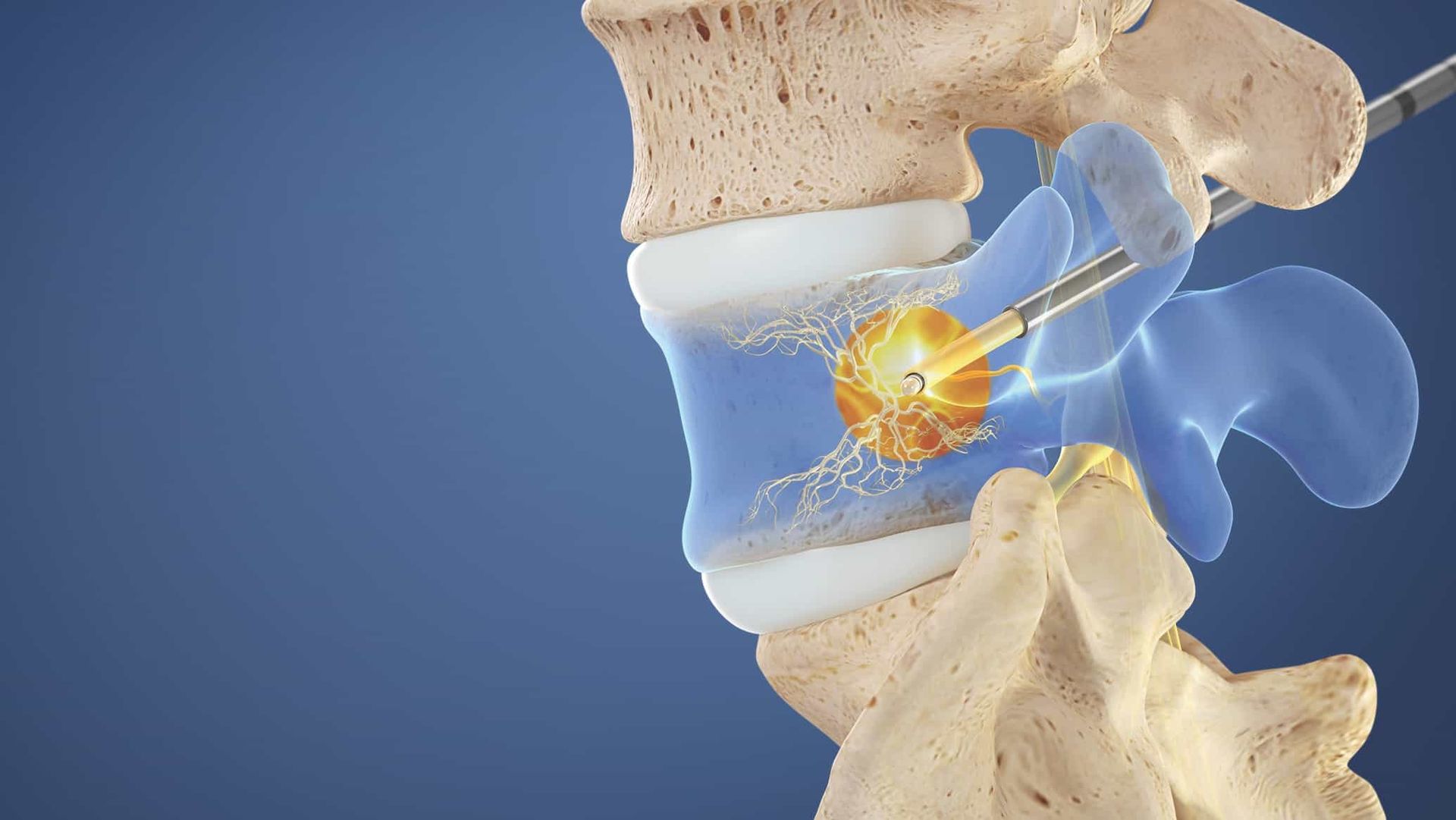

Stem cells take regenerative medicine a step further. These cells are considered precursor cells
meaning they have not yet fully differentiated. The intention is that once these cells are injected
into a certain body tissue, they have the ability to develop into that specific type of tissue.
Therefore, in addition to the same chemical messengers that are contained in platelet rich plasma, stem cells add the possibility of growing new tissue. Stem cells can be isolated from different sources. Those stem cells isolated from our body’s bone marrow are known as bone marrow aspirate cells (BMAC). Importantly, this mixture of cells contain mesenchymal cells which are important to orthopedic injuries because they have the ability to differentiate into ligaments,
tendons, cartilage, and bone--commonly damaged tissue in musculoskeletal injuries. Although
there are different areas to isolate adult stem cells, the pelvic bone is the most common area for
extraction. Once extracted, the stem cells are spun in a machine called a centrifuge. The centrifuge separates out the stem cells. These cells are then injected back into the damaged area.
Where do you acquire the BMAC?
BMAC may be acquired from multiple areas in the body, but we typically focus on the pelvis for
acquisition of BMAC.
Do I need to be sedated for the BMAC procedure?
This procedure can be done either with local anesthesia or with intravenous sedation. If the latter
option is used then the procedure is done at a surgery center.
Can BMAC and PRP be combined?
Yes, the two therapies may be combined and often are used in this manner.
Which types of conditions can stem cells be used for?
Fortunately, stem cell therapy can be used in some of the most common conditions known to
cause pain including osteoarthritis, tendonitis, repetitive strain trauma, and myofascial
(muscle/tendon/ligament) pain. These conditions affect common problem areas including the
neck, back, shoulder, hip, knee, ankle, and the wrist to result in conditions such as lateral and
medial epicondylitis, plantar fasciitis, carpal tunnel syndrome, spinal disc pain, rotator cuff
pathology, whiplash injuries, and others. These maladies are all issues that could be treated with
stem cell therapy.